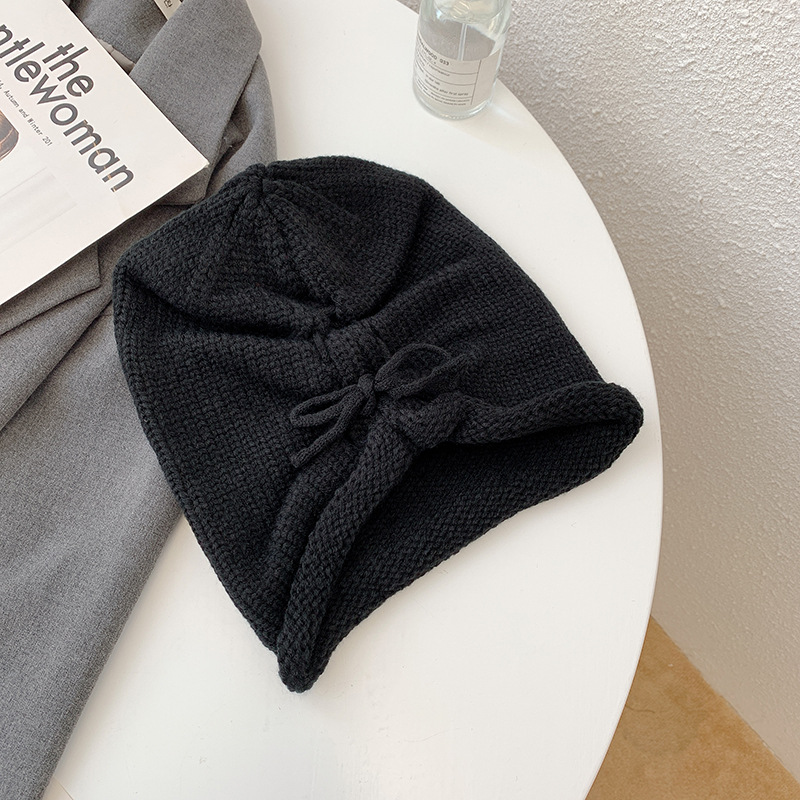
I once bought into all the common misconceptions about top-rated beanies. Let me share what you should actually prioritize when shopping for a winter hat and scarf set. Many brands lure you in with low prices and empty claims. Here's the real story on how to find an excellent beanie.
Myth: The material of a beanie doesn't affect its warmth—any hat will do. This is false! Some beanies use thin fabrics that allow the cold to seep right in. What they often omit is that the knit's thickness and style are crucial factors.
Truth: A plush, thick knit will invariably be warmer than a thin one. Prioritize materials like fleece or a dense acrylic blend. Always scrutinize the product description.
Action Step: Read the product details to identify the materials and thickness. Look for terms like "plush," "thick knit," or "fleece lined."
Myth: The cheapest beanie offers the best value. In reality, an extremely low price often signals poor quality. You might save a little money initially, but you'll likely need a replacement before winter ends.
Truth: You truly get what you pay for. Spending a bit more on a higher-quality beanie means better durability and warmth. Consider the cost per wear! Investing a little extra in a set like the Wholecustomdesign 2Pcs/Set Winter Hat could be more economical over time.
Action Step: Set a reasonable budget and value quality over rock-bottom pricing. Look for sales or discounts from trustworthy brands.
Myth: "One size fits all" guarantees a perfect fit for everyone. Not quite. It usually means the hat will be too tight for some and too loose for others. Furthermore, the style may not complement every face shape.
Truth: Take note of the beanie's measurements and your own head size. Also, consider the style—a slouchy beanie might suit one person but not another. If possible, review product images featuring different models.
Action Step: Check for listed dimensions. Factor in your head size and face shape when selecting a style.
Myth: A "handmade" label automatically means superior craftsmanship. The reality is that anyone can use that term. Standards and quality control can differ significantly.